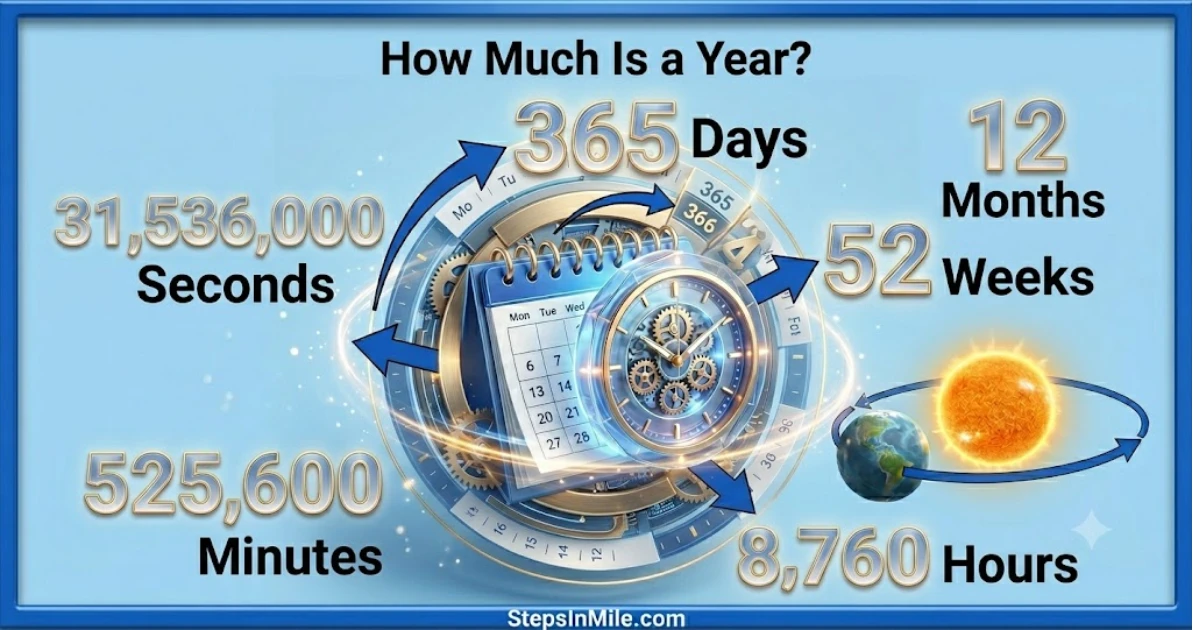
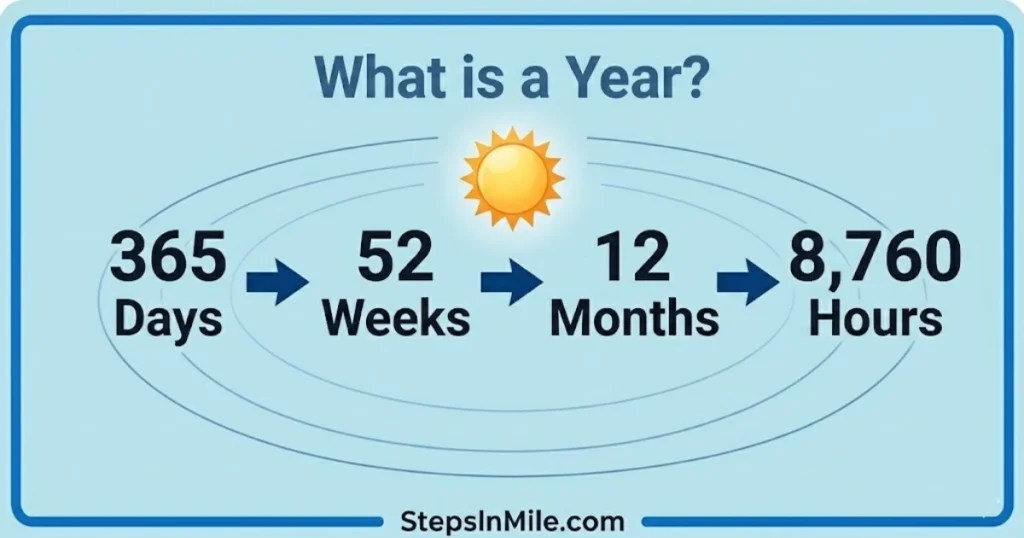
A standard year contains 365 days, 12 months, 52 weeks, and 8,760 hours. A leap year adds one extra day, bringing the total to 366 days and 8,784 hours.
Most people never think twice about how much time a year actually contains. But when you break it down unit by unit, the numbers are both precise and surprisingly useful for real life.
How Much Is a Year in Days, Weeks, Months, and Hours
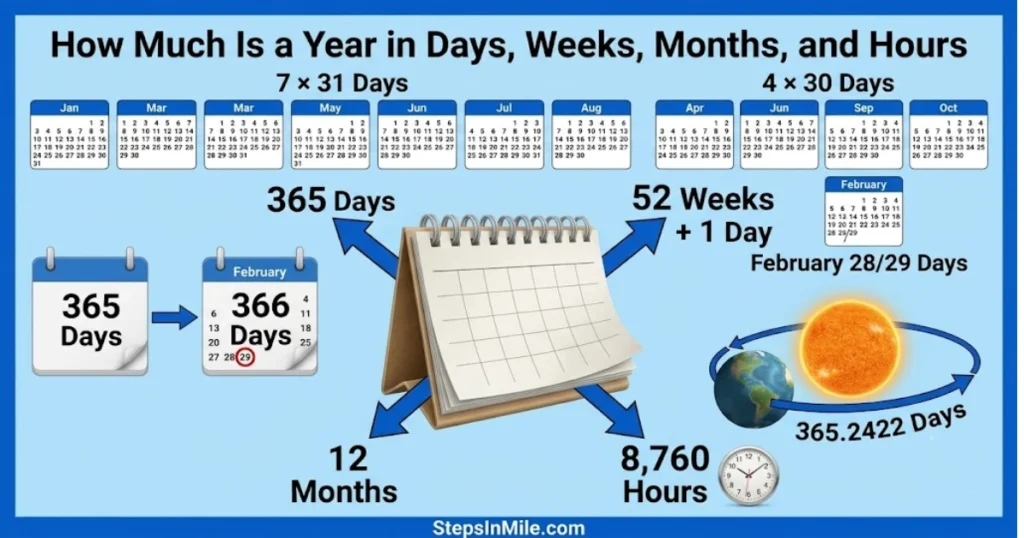
A standard calendar year has exactly 365 days. This is based on the Gregorian calendar, which is the official civil calendar used in the United States and most of the world today.
Every four years, one extra day is added to February. That year is called a leap year and has 366 days. This happens because Earth’s orbit around the Sun takes approximately 365.2422 days — not a clean 365. Without the extra day, our seasons would slowly drift out of alignment.
Here is the full breakdown of how much is a year across every major time unit:
- 365 days in a standard year
- 366 days in a leap year
- 12 months in a year
- 52 weeks and 1 extra day in a standard year
- 52 weeks and 2 extra days in a leap year
- 8,760 hours in a standard year
- 8,784 hours in a leap year
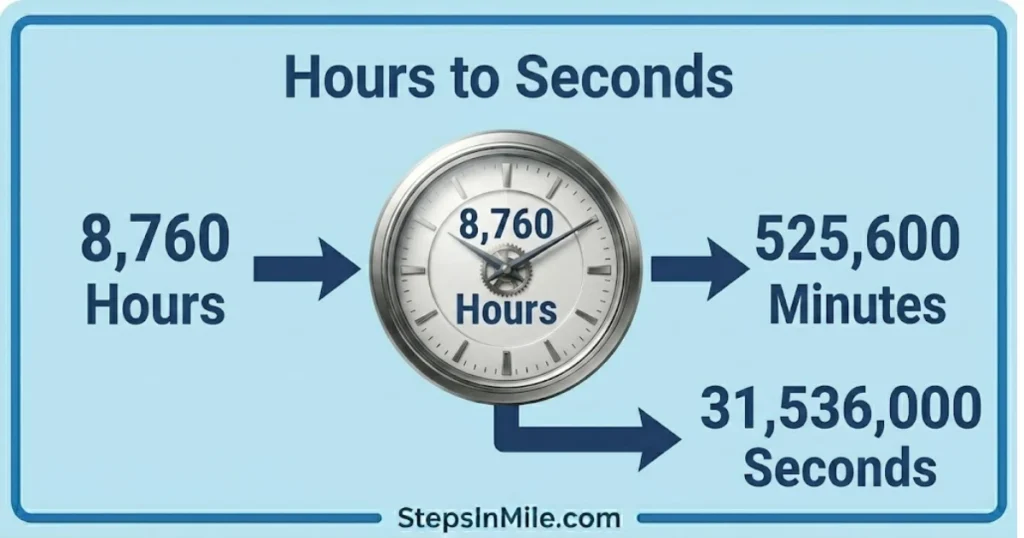
- 525,600 minutes in a standard year
- 31,536,000 seconds in a standard year
Each of these numbers connects directly to the way we plan work schedules, school calendars, financial cycles, and personal goals in everyday American life.
The Gregorian calendar divides the year into 12 months. Seven months have 31 days. Four months have 30 days. February stands alone with 28 days — or 29 days during a leap year. The months with 31 days are January, March, May, July, August, October, and December.
The Exact Year Breakdown: Every Unit From Seconds to Months
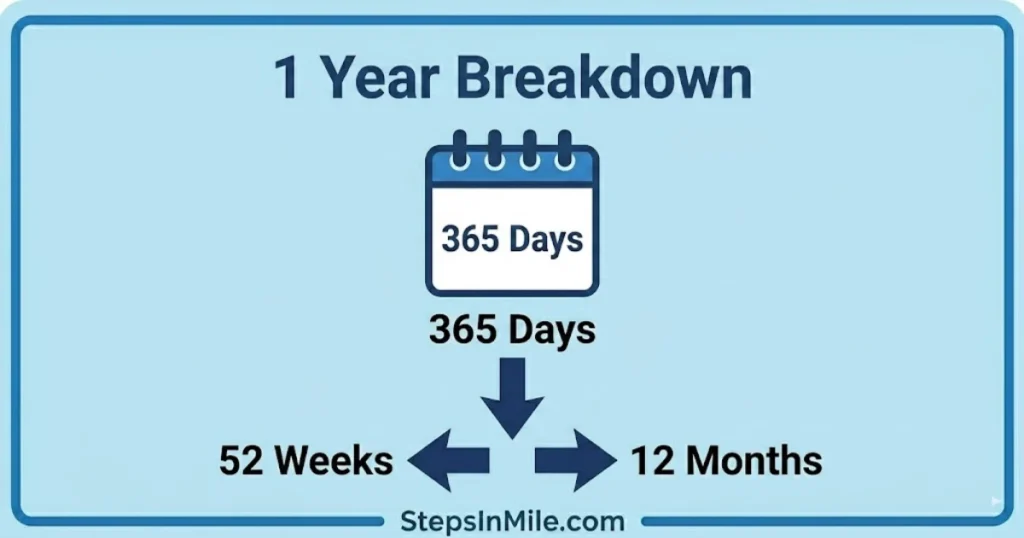
This is where it gets precise. A year can be measured in many different time units. Each one connects to the next through a simple formula chain.
How many seconds in a minute?
There are 60 seconds in one minute. That is the base unit of all time measurement beyond the second.
How many minutes in an hour?
There are 60 minutes in one hour. That gives us 3,600 seconds per hour.
How many hours in a day?
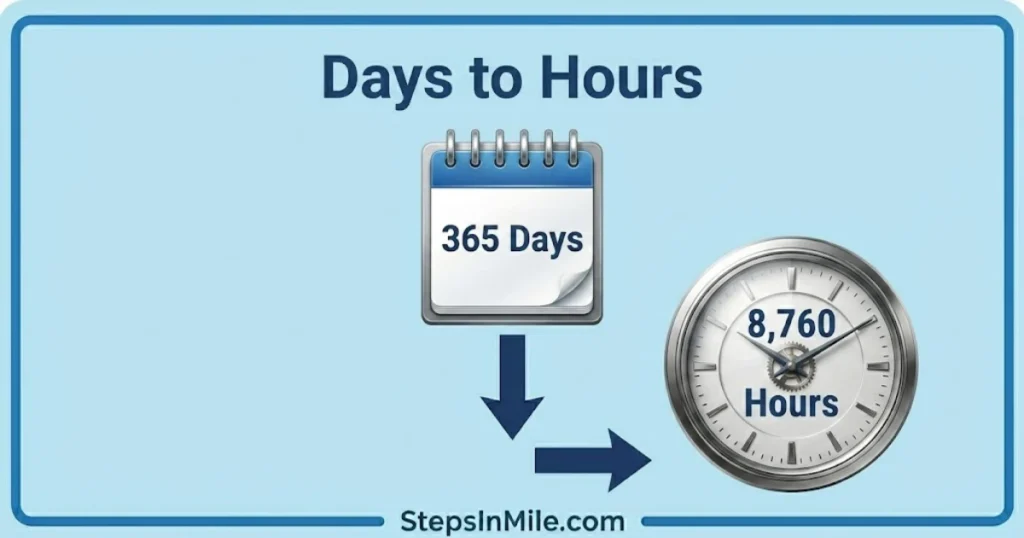
There are 24 hours in one day. That means one day contains 86,400 seconds.
How many days in a week?
There are 7 days in one week. The seven-day week has been used since ancient Babylonian times and was later adopted by the Roman calendar.
How many weeks in a month?
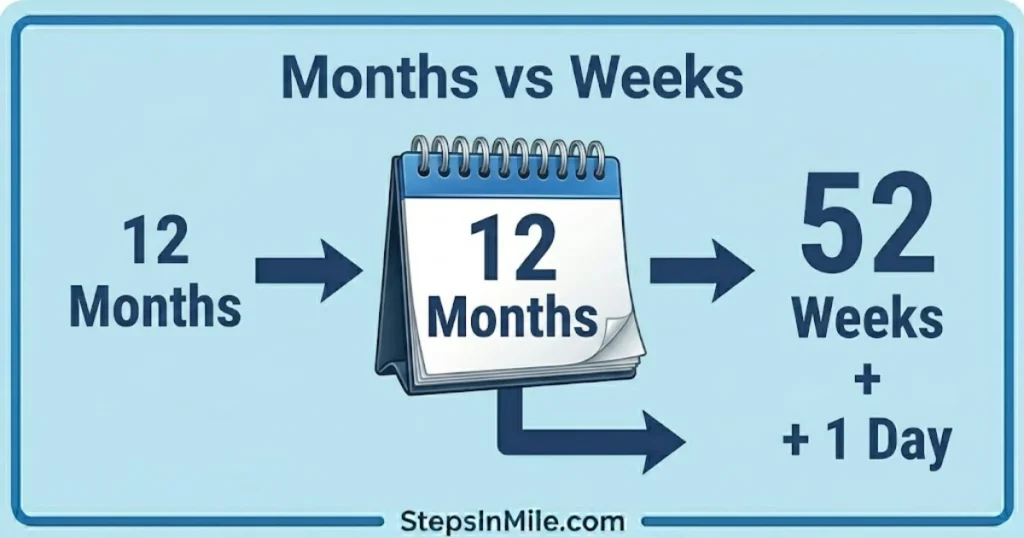
There are approximately 4.33 weeks in one month. This is calculated by dividing 52.18 weeks by 12 months. No month contains exactly 4 full weeks.
How many months in a year?
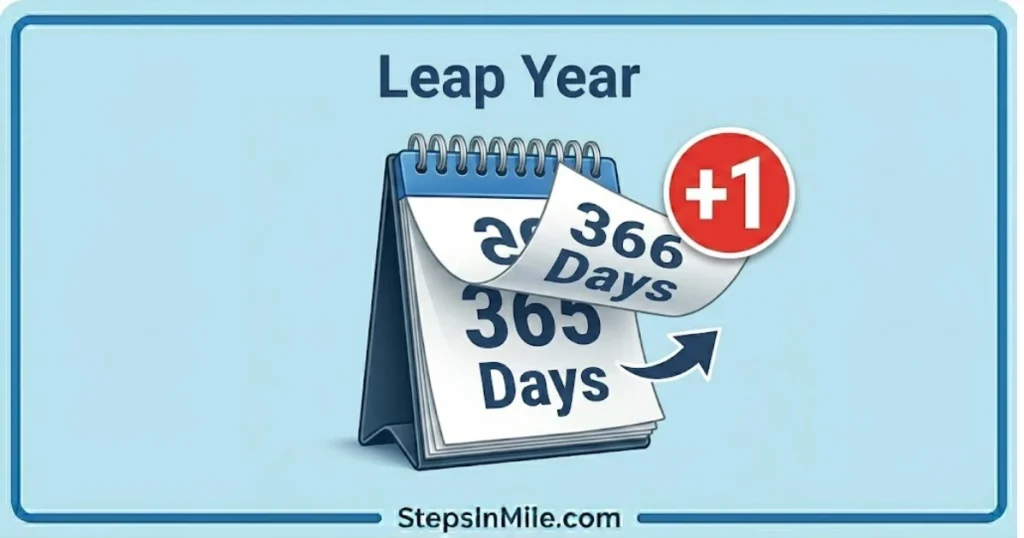
There are 12 months in one calendar year. The Gregorian calendar has used this structure since Pope Gregory XIII reformed the Julian calendar in 1582.
For a leap year: 366 × 24 × 60 = 527,040 minutes
Now, not all years are defined the same way. Scientists and astronomers use different definitions depending on what is being measured:
Here is the complete unit conversion chain for one full year:
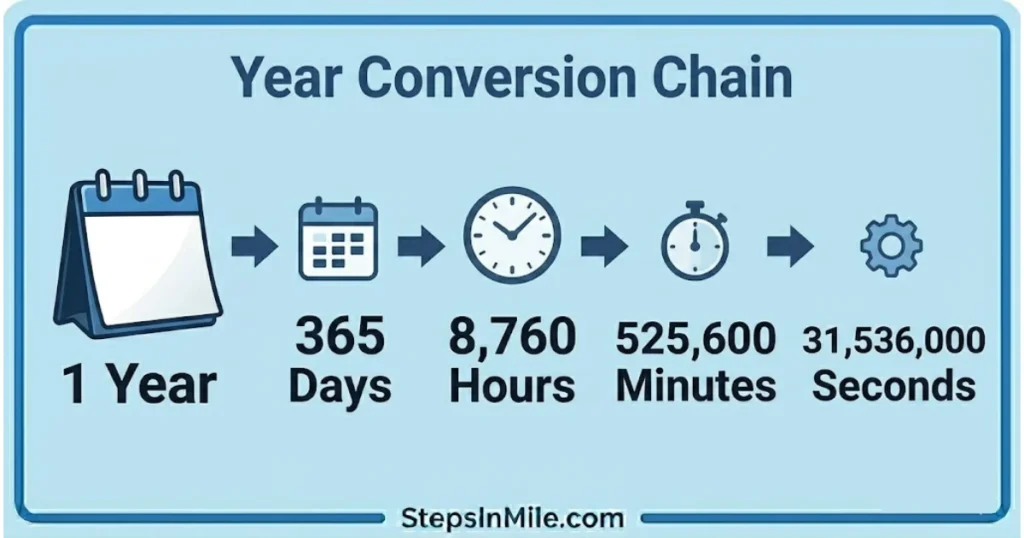
Year Conversion Formula & Example
Formula:
Shortcut:
Multiply 365 × 24 to get hours. Multiply the result by 60 to get minutes. Multiply by 60 again to get seconds.
Worked Example:
How many minutes are in one year?
365 days × 24 hours × 60 minutes = 525,600 minutes
For a leap year:
366 × 24 × 60 = 527,040 minutes
Different Types of Years Used in Science and Calendars
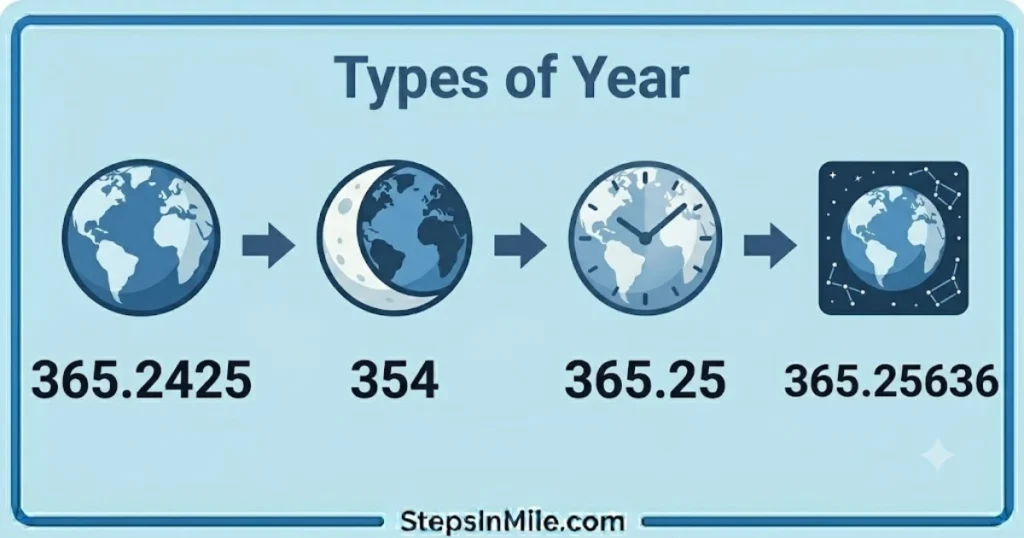
- Tropical Year — 365.242189 days — The time for Earth to complete one full cycle of four seasons. This is the basis of the Gregorian calendar.
- Julian Year — 365.25 days — Used in astronomical calculations, including the definition of a light-year.
- Sidereal Year — 365.25636 days — The exact time it takes Earth to orbit the Sun once relative to distant stars.
- Mean Calendar Year — 365.2425 days — The average length of a year in the Gregorian calendar after accounting for leap-year rules.
These differences are small but matter a great deal in astronomy, space navigation, and GPS accuracy.
What a Year Actually Looks Like in Real Life
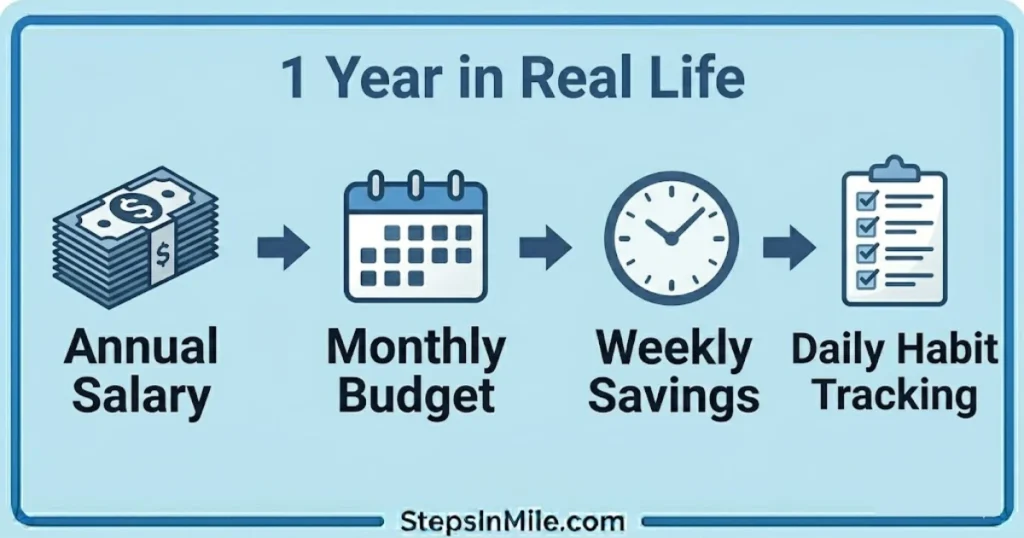
Numbers become meaningful when you connect them to real experience. Here is what 365 days actually looks like when you live through it.
A full year contains 52 weekends. That is 104 weekend days in a standard year. For most working Americans, weekends are the primary time for rest, family, and personal projects.
A year contains 4 seasons — winter, spring, summer, and fall. Each season lasts approximately 3 months or 13 weeks. In the United States, this seasonal cycle drives everything from agriculture to retail sales to energy consumption.
A standard school year in the US runs roughly 180 instructional days, typically split into 2 semesters or 4 quarters. That leaves about 185 non-school days in a standard year.
Most American workers earn an annual salary paid across 26 biweekly pay periods or 24 semi-monthly pay periods per year. Knowing the exact number of work hours in a year — typically 2,080 hours based on a 40-hour work week — helps calculate hourly rates from annual income.
A year also contains:
What a Year Represents in Real Life
- 365 opportunities to build a new habit
- 12 monthly budget cycles for personal finance planning
- 52 weekly check-ins for fitness or savings goals
- 4 seasonal reviews for business performance tracking
Every unit — from days to months — is a real planning tool, not just a number.
How a Year Differs Across Calendars and Planets
This is the angle most measurement blogs skip entirely. A year is not the same in every system.
The Gregorian calendar year is 365.2425 days. The Julian calendar year is 365.25 days — about 11 minutes longer than the actual solar year. That 11-minute gap compounded over centuries until Pope Gregory XIII corrected it in 1582 by introducing a refined leap year rule.
The Islamic calendar is a purely lunar calendar. One Islamic year is approximately 354 days — about 11 days shorter than the Gregorian year. This is why Islamic holidays like Ramadan shift earlier each year on the Gregorian calendar.
The Hebrew calendar is a lunisolar calendar. It ranges from 353 to 385 days depending on the year type, using leap months to stay aligned with both the Moon and the Sun.
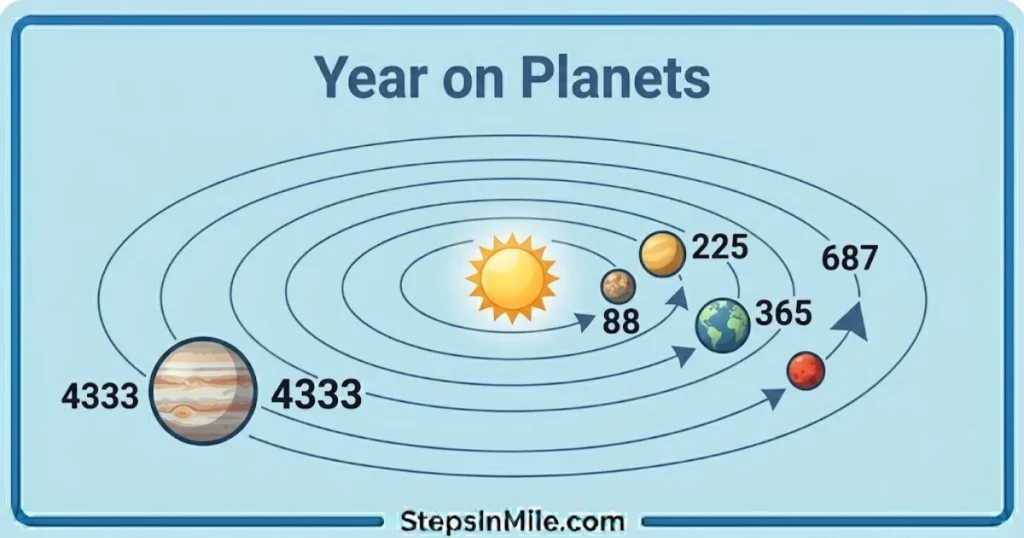
Now look beyond Earth. According to NASA, a year on any planet is simply the time it takes that planet to complete one full orbit around the Sun. The farther a planet is, the longer its year.
How Long Is a Year on Other Planets?
- Mercury — 88 Earth days
- Venus — 225 Earth days
- Mars — 687 Earth days
- Jupiter — 4,333 Earth days (nearly 12 Earth years)
- Saturn — 10,759 Earth days (about 29.5 Earth years)
- Uranus — 30,687 Earth days (84 Earth years)
- Neptune — 60,190 Earth days (165 Earth years)
This matters practically. NASA mission planners must track Martian years to schedule rover operations. Spacecraft trajectory calculations depend on knowing where each planet is in its orbital path at any given moment.
How to Use a Year for Planning, Budgeting, and Goal Setting
Knowing exactly how much is a year gives you a serious advantage in financial planning, productivity, and personal development.
Annual salary to hourly rate: Divide your annual income by 2,080 (standard work hours per year based on 40 hours/week × 52 weeks).
Annual Salary to Hourly Rate Conversion
Formula:
Worked Example:
Annual salary = $52,000
$52,000 ÷ 2,080 = $25.00 per hour
Answer: A yearly salary of $52,000 is equivalent to $25.00 per hour based on a standard 40-hour work week and 52 working weeks per year.
Weekly savings goal from annual target: Divide your annual savings goal by 52 weeks.
Annual Savings Goal to Weekly Savings Conversion
Formula:
Worked Example:
Annual savings goal = $5,200
$5,200 ÷ 52 = $100 per week
Answer: To save $5,200 in one year, you need to save $100 each week.
Monthly budget from annual income: Divide annual gross income by 12 months.
Annual Income to Monthly Budget Conversion
Formula:
Worked Example:
Annual income = $60,000
$60,000 ÷ 12 = $5,000 per month
Answer: An annual income of $60,000 provides a monthly budget baseline of $5,000.
These are the calculations that financial advisors, HR departments, and personal finance apps use every single day. The math starts with knowing exactly how many days, weeks, and months are in a year.
365-day habit tracking is another powerful tool. Behavioral science research consistently shows that tracking small actions across a full calendar year produces the most lasting results. Whether it is exercise, reading, sleep, or savings — the year is your framework.
FAQ’s
How many seconds in a minute?
There are 60 seconds in one minute.
How many minutes in an hour?
There are 60 minutes in one hour.
How many hours in a day?
There are 24 hours in one day.
How many days in a week?
There are 7 days in one week.
How many weeks in a month?
There are approximately 4.33 weeks in one month.
How many months in a year?
There are 12 months in one year.
How much is a year?
A standard year is 365 days, 52 weeks, 12 months, and 8,760 hours. A leap year has 366 days and 8,784 hours.
Conclusion
A year is 365 days, 8,760 hours, 525,600 minutes, and 31,536,000 seconds. Every unit is a real tool. Use them to plan smarter, save more, and track what matters. Now that you know exactly how much is a year — put every day of it to work.

Fitness guru and lead author, crafting every post with passion. Certified trainer dedicated to your online fitness journey—empowering steps toward a healthier you!