Need to know how many feet in a yard? The answer is simple: 1 yard equals exactly 3 feet. This basic conversion is used everywhere in American life, from football fields to home projects.
Whether you’re buying fabric, measuring your lawn, or watching sports, understanding yards to feet conversion saves time and prevents costly mistakes.
The Quick Answer
What Is a Yard?
A yard is a unit of length in the Imperial measurement system. Americans use it daily for countless tasks. The abbreviation is “yd.”
The yard originated from old English body measurements. King Henry I standardized it centuries ago. One yard measures the distance from your nose to your outstretched fingertip.
Today, yards are common in construction, sports, and fabric sales across the United States. It’s larger than a foot but much smaller than a mile.
What Is a Foot?
A foot is another Imperial unit of length. It’s called a foot because it originally matched the length of a human foot. The abbreviation is “ft” or simply an apostrophe (‘).
One foot equals 12 inches. Three feet stacked together equal one yard. Americans use feet for height, room dimensions, and shorter distances.
This measurement appears on tape measures, rulers, and yardsticks everywhere. Understanding feet helps you visualize space quickly.
The Basic Conversion Formula
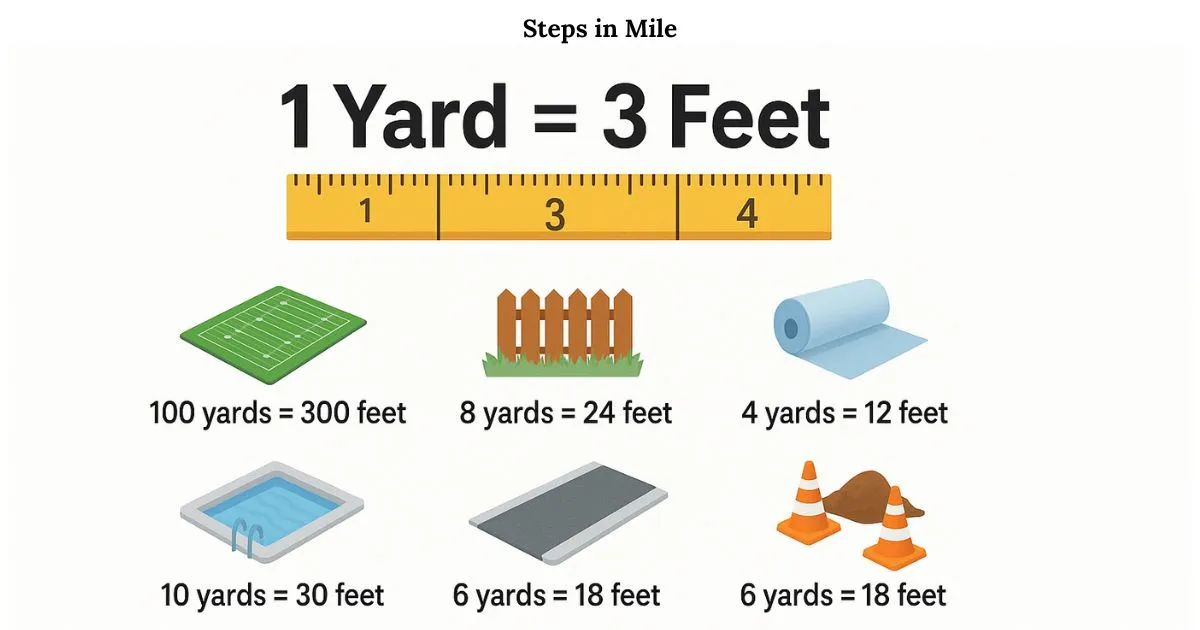
Here’s the magic number: 1 yard = 3 feet. That’s it. No complicated math required.
To convert yards to feet, multiply by 3. The formula looks like this: Yards × 3 = Feet.
Going backwards? Divide feet by 3 to get yards: Feet ÷ 3 = Yards. Keep this simple rule in your back pocket for instant conversions.
Quick Conversion Table
| Yards | Feet |
| 1 | 3 |
| 2 | 6 |
| 3 | 9 |
| 5 | 15 |
| 10 | 30 |
| 15 | 45 |
| 20 | 60 |
| 25 | 75 |
| 50 | 150 |
| 100 | 300 |
This chart provides instant answers for common yard measurements. Bookmark it for quick reference during projects.
5 Real-World Examples of Feet in a Yard Conversions
Example 1 – American Football Field Measurements

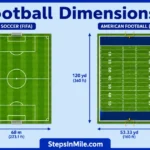
An American football field measures 100 yards from goal line to goal line. How many feet is that?
Calculation: 100 yards × 3 = 300 feet. The field stretches 300 feet between end zones.
Each first down covers 10 yards, which equals 30 feet. When announcers say “15-yard penalty,” they mean the team lost 45 feet of field position. Understanding this conversion helps fans visualize game distances better.
Example 2 – Home Gardening and Landscaping
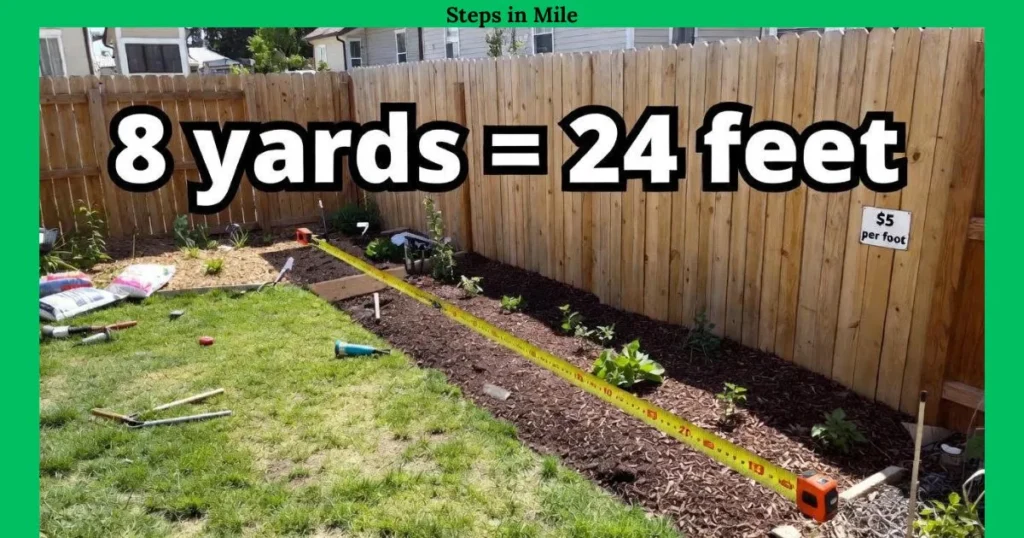
You’re planning a vegetable garden that’s 8 yards long. Your fence panels sell per foot at the hardware store.
Calculation: 8 yards × 3 = 24 feet. You need 24 feet of fencing material.
This conversion helps you calculate exact material costs. If fencing costs $5 per foot, you’ll spend $120 total. Mulch covers a certain area per bag based on square footage, not square yards.
Example 3 – Fabric and Sewing Projects

Fabric stores sell material by the yard in America. You need 4 yards of cotton fabric for curtains.
Calculation: 4 yards × 3 = 12 feet. That’s 12 feet of fabric unrolled.
Visualizing 12 feet helps before you buy. Typical fabric widths are 45 inches or 60 inches. Understanding the linear yardage ensures you have enough material.
Quilters and sewers constantly convert between yards and feet. Pattern instructions might say “2.5 yards needed,” which equals 7.5 feet of fabric.
Example 4 – Swimming Pool Dimensions
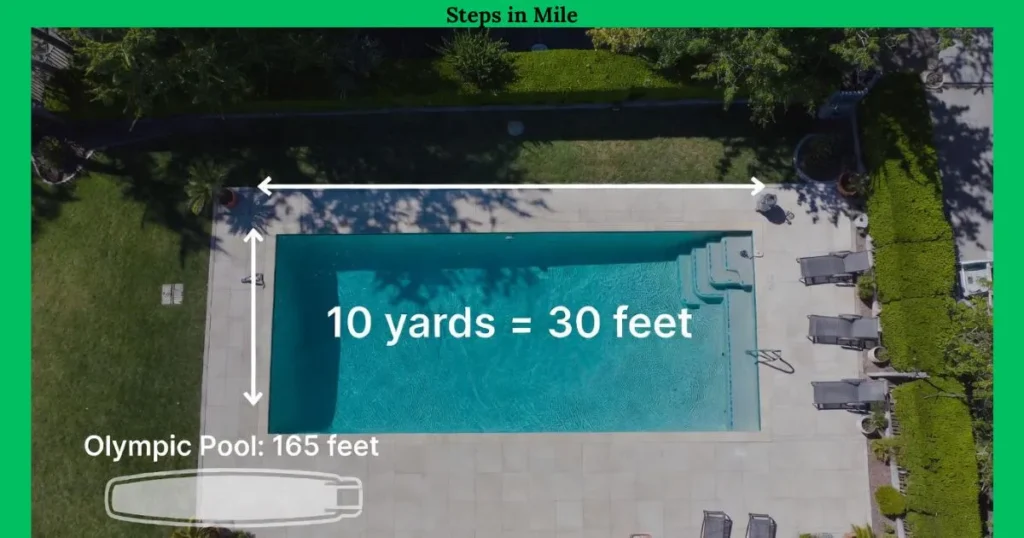
Your backyard pool measures 10 yards in length. You want to know the exact footage for comparison shopping.
Calculation: 10 yards × 3 = 30 feet. The pool is 30 feet long.
Olympic pools measure 50 meters (about 55 yards or 165 feet). Your 30-foot pool is smaller but perfect for residential use. Building permits often require measurements in feet.
Example 5 – Construction and Concrete Work
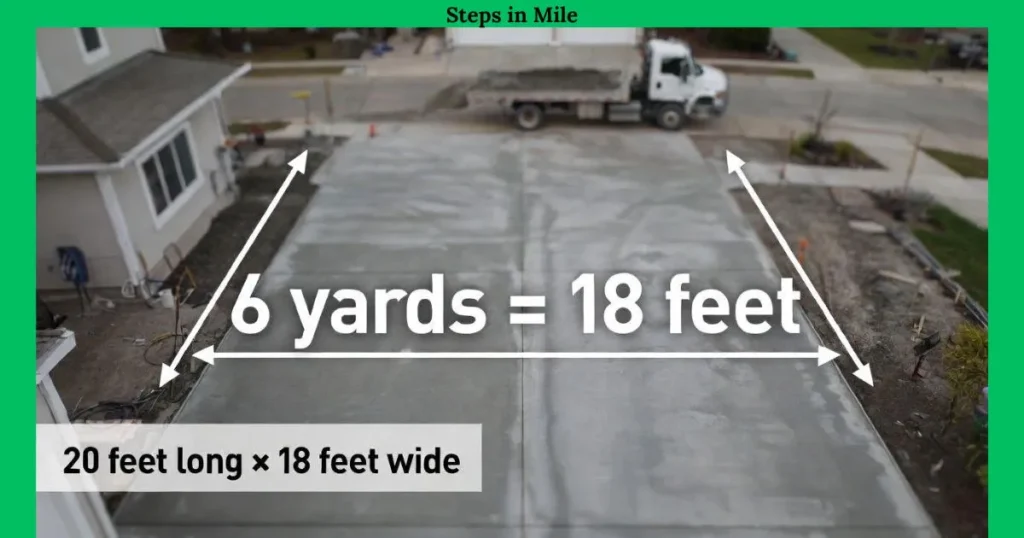
You’re pouring a driveway that’s 6 yards wide. The concrete company needs footage for their order form.
Calculation: 6 yards × 3 = 18 feet. Your driveway width is 18 feet.
Concrete suppliers mix by cubic yards (27 cubic feet per cubic yard). Knowing linear conversions helps calculate total volume needed. A standard driveway might be 20 feet long and 18 feet wide.
Related Measurement Conversions
Yards to Inches
One yard contains 36 inches. This conversion helps with detailed measurements. Fabric patterns and woodworking use inches frequently.
Formula: Yards × 36 = Inches. For 2 yards of ribbon, that’s 72 inches total.
Inches work better for precision. When measurements need to be exact within fractions, inches provide finer detail than yards.
Yards to Miles
There are 1,760 yards in one mile. That’s a lot of yards! Runners and drivers use this conversion for distance tracking.
Formula: Miles × 1,760 = Yards. A 5-mile run equals 8,800 yards. Most people prefer thinking in miles for long distances.
How many feet in a mile? Multiply 1,760 yards by 3 feet to get 5,280 feet per mile. This classic trivia question comes up often.
Yards vs. Meters (Imperial vs. Metric)
One yard equals 0.9144 meters exactly. The metric system dominates globally, but America sticks with Imperial measurements for most daily activities.
One meter equals about 1.094 yards or roughly 3.28 feet. Meters are slightly longer than yards.
International projects require both systems. Engineers working globally must convert between Imperial and metric constantly. Scientific fields prefer metric worldwide.
Other Post: How Many Inches in a Yard?
Test Your Knowledge
Try these conversions yourself before checking answers below. Grab a pencil!
- How many feet are in 7 yards?
- Convert 45 feet to yards
- A rope is 15 yards long. How many feet is that?
- If a room is 21 feet wide, how many yards is it?
- A football player runs 25 yards. How many feet did they run?
Answer Key:
- 7 yards × 3 = 21 feet
- 45 feet ÷ 3 = 15 yards
- 15 yards × 3 = 45 feet
- 21 feet ÷ 3 = 7 yards
- 25 yards × 3 = 75 feet
How did you do? Perfect scores mean you’ve mastered the conversion. Missed any? Review the formulas and try again.
Question’s
Is a yard exactly 3 feet?
Yes, one yard equals exactly 3 feet by official definition. This is a standardized conversion in the Imperial measurement system. No rounding or estimation needed.
The National Institute of Standards and Technology (NIST) confirms this exact relationship. It’s been standard since the measurement system was formalized.
Is 1 yard 12 feet?
No, this is incorrect. One yard equals 3 feet, not 12 feet. This common mistake might come from confusing feet with inches.
Twelve inches equal one foot. Perhaps people mix these numbers. Remember: 1 yard = 3 feet = 36 inches.
How many feet makes 1 yard?
Three feet make one yard. This is the fundamental conversion ratio you need to remember. Multiply any yard measurement by 3 to get feet.
Think of it as stacking three rulers. Three 12-inch rulers stacked equals one 36-inch yardstick.
Is 20 yards 60 feet?
Yes, absolutely correct! The math checks out: 20 yards × 3 feet per yard = 60 feet.
This equals two-thirds of an American football field’s length (excluding end zones). Picture a substantial distance, about 20 average car lengths.
Why is a yard called a yard?
The word “yard” comes from Old English “gerd” or “gierd” meaning a stick or rod. These measuring sticks established standard lengths for trade.
King Henry I of England standardized the yard in the 12th century. Legend says he defined it as the distance from his nose to his outstretched thumb.
How many feet makes 1 mile?
One mile contains 5,280 feet. This also equals 1,760 yards. The mile is much larger than both feet and yards.
Ancient Romans created the mile from “mille passus” meaning 1,000 paces. Modern standardization set it at 5,280 feet.
What comes before a mile?
The progression goes: inch, foot, yard, then mile. These are the main Imperial length units in ascending order.
A furlong (660 feet or 220 yards) exists between yards and miles but rarely gets used today. Horse racing still references furlongs occasionally.
How big is 1 yard of gravel?
One cubic yard of gravel equals 27 cubic feet (3 ft × 3 ft × 3 ft). This measures volume, not linear length.
One cubic yard typically weighs 2,000-3,000 pounds depending on gravel type. It covers about 100 square feet at 3 inches deep. Landscaping suppliers sell bulk materials in cubic yards.
Is a meter longer than a yard?
Yes, a meter is slightly longer than a yard. One meter equals 1.094 yards or approximately 3.28 feet.
One yard equals 0.9144 meters. The difference is small—about 3.6 inches. For rough estimates, treat them as nearly equal, but precision work requires exact conversions.
Conclusion
Remember the golden rule: 1 yard = 3 feet. This simple conversion opens countless practical applications. Multiply yards by 3 for feet. Divide feet by 3 for yards.
Practice with real-world projects to build confidence. Whether measuring your garden, buying fabric, or understanding football plays, these conversions matter daily. Master this basic skill and measurement tasks become effortless.

Fitness guru and lead author, crafting every post with passion. Certified trainer dedicated to your online fitness journey—empowering steps toward a healthier you!