
100 feet is equal to 30.48 meters, 1,200 inches, and roughly the height of a 10-story building standing directly above you.
Most people struggle to picture what 100 feet long actually looks like until they stand next to something that matches it. This guide covers 12 common things that are 100 feet long to make this measurement instantly clear and easy to visualize.
How Long Is 100 Feet ?
Before exploring real-world examples of things that are 100 feet long, here is a fast reference table showing exactly what this measurement equals across different units.
Buildings and Structures — Things That Are 100 Feet Long or Tall
Some of the most familiar 100-foot-long structures are the ones we walk past every day without ever thinking about their actual height or span.
A 10-Story Building

A standard 10-story commercial building in the United States stands approximately 100 feet tall, with each floor averaging 10 feet in height including ceiling thickness and utility spacing.
This vertical measurement is one of the most practical and universally recognized references for picturing a 100-foot length in an urban setting.
Twice the Height of the Hollywood Sign Letters

The Hollywood Sign, perched on Mount Lee in the Santa Monica Mountains of Los Angeles, features individual letters that each stand 45 to 49 feet tall.
Stacking two of those letters vertically brings you almost perfectly to the 100-foot mark, making the sign a recognizable cultural benchmark for this measurement.
Sports Fields and Courts — 100 Feet Long in Athletics
Stadiums, courts, and playing fields give us some of the clearest and most satisfying references for understanding how long 100 feet is in a real competitive environment.
One-Third of a Football Field

A standard American football field measures exactly 300 feet from goal line to goal line, not counting the end zones. One-third of that total distance equals precisely 100 feet, stretching from the goal line to roughly the 33-yard line during any NFL or college game.
Football players and coaches instinctively understand field proportions through years of practice, which makes this one of the most relatable benchmarks for things that are 100 feet long in everyday American sports culture. .
A Regulation NBA Basketball Court
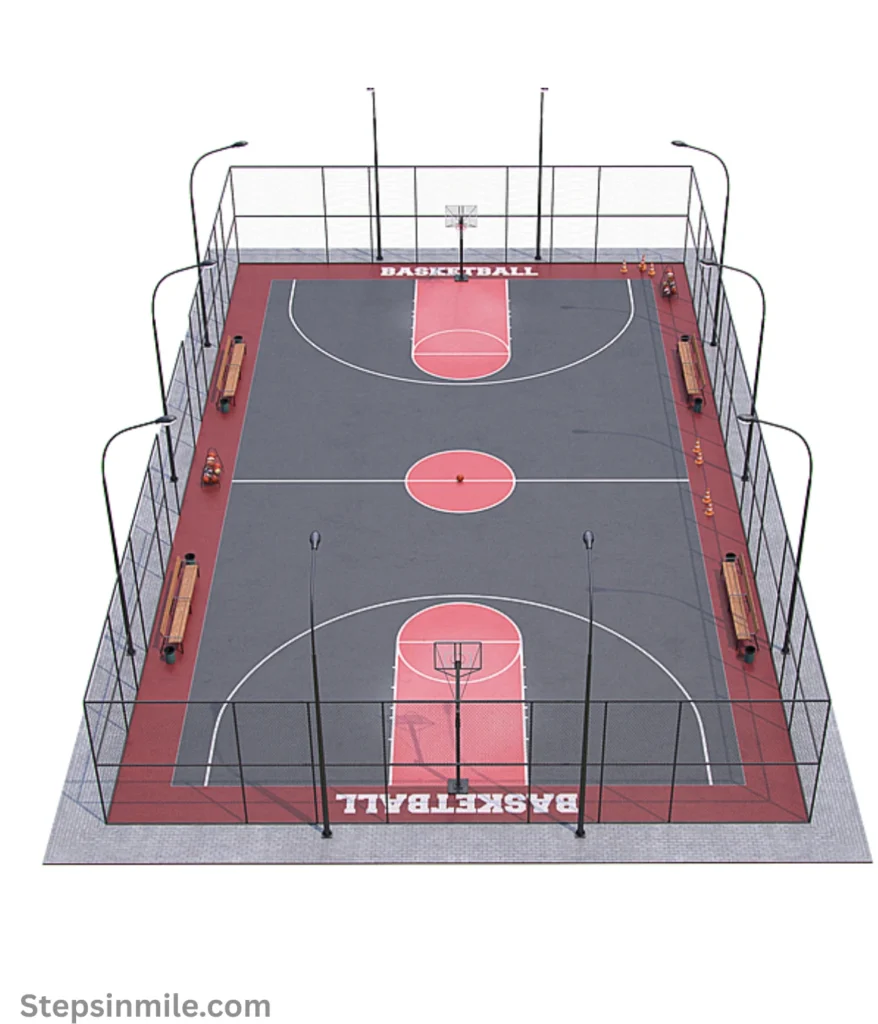
A regulation NBA basketball court measures 94 feet long by 50 feet wide, placing it just 6 feet short of the full 100-foot mark. Adding a few extra feet of out-of-bounds boundary space beyond each baseline brings the total playing area very close to a 100-foot length.
Any fan who has sat courtside at a game has essentially sat alongside one of the most common real-world approximations of 100 feet long.
Ten Stacked Basketball Hoops
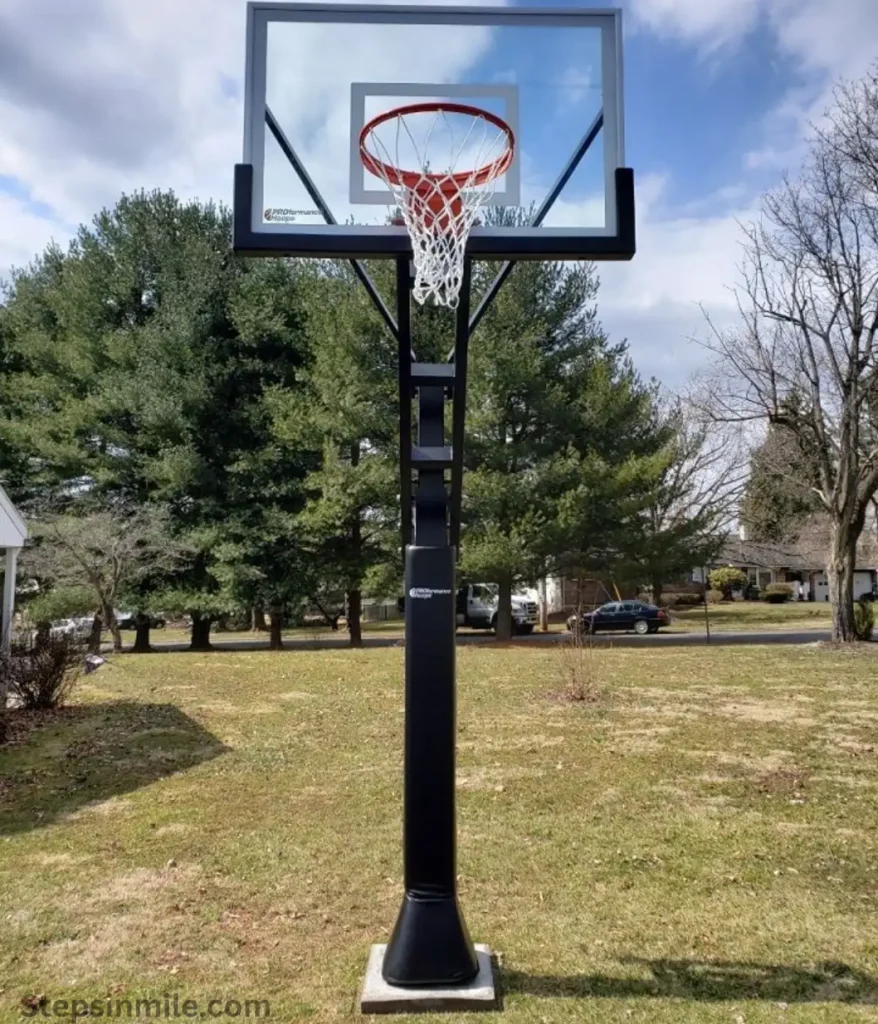
A regulation basketball hoop sits exactly 10 feet above the floor in every professional, collegiate, and high school gym across the United States. Stacking ten of those identical hoops directly on top of one another would create a perfectly measured 100-foot vertical column.
This stacking visualization is one of the most practical mental tricks for estimating a 100-foot height without any measuring equipment.
1.5 Cricket Pitches

A standard cricket pitch measures 66 feet (22 yards) from crease to crease, following the Laws of Cricket as set by the Marylebone Cricket Club. Placing one and a half cricket pitches end to end gives a combined length of 99 feet, essentially identical to 100 feet long.
This comparison is especially useful for cricket fans who already have a strong feel for pitch dimensions and want a new reference point for the 100-foot measurement.
Nature and Wildlife — Animals and Trees That Reach 100 Feet
The natural world contains some of the most breathtaking and scientifically verified examples of things that are 100 feet long, from ocean mammals to towering forest giants.
A Blue Whale

The blue whale (Balaenoptera musculus) is the largest animal ever documented on Earth, with adults reaching lengths of 82 to 100 feet and occasionally exceeding that range in the Southern Ocean. A fully grown blue whale at maximum length represents one of the most awe-inspiring natural demonstrations of what 100 feet long truly looks like.
Picturing the full body of this marine giant stretched out in the water is perhaps the single most dramatic way to visualize a 100-foot length in the animal kingdom.
The Eastern Cottonwood Tree
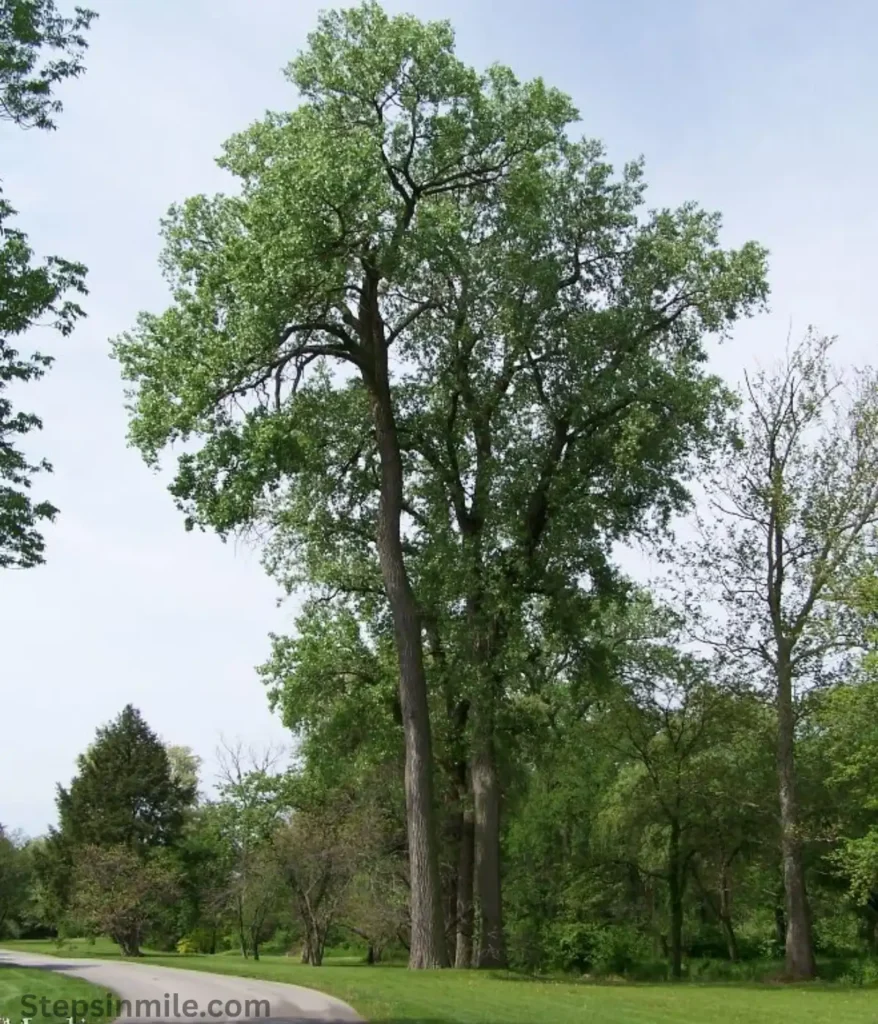
The Eastern Cottonwood (Populus deltoides) is one of the fastest-growing and tallest native trees in North America, capable of reaching 100 feet in height within 15 to 20 years under ideal conditions. This deciduous hardwood thrives in moist, well-drained floodplains and riverbanks across the central and eastern United States.
A mature specimen standing at full height gives any forest visitor a striking, grounded understanding of exactly how tall 100 feet long stands in the natural environment.
A Large Mature Oak Tree
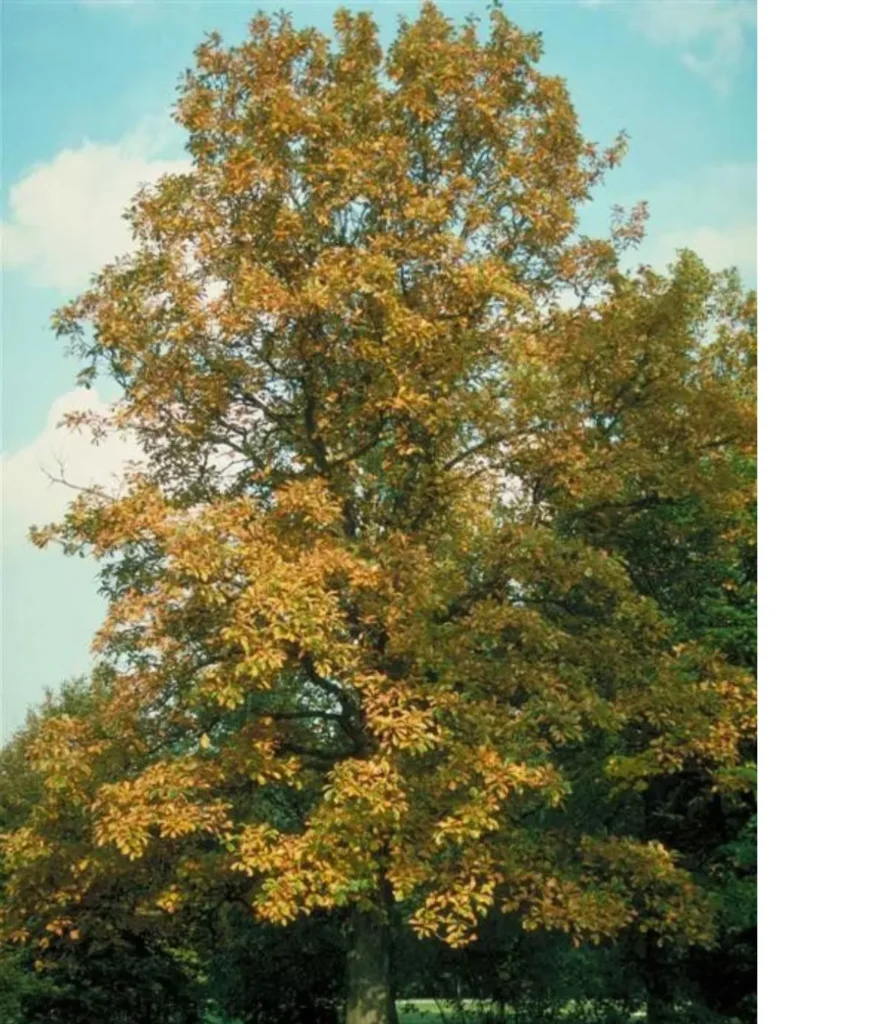
A large white oak (Quercus alba) or northern red oak (Quercus rubra) regularly grows to heights between 80 and 100 feet when given adequate space, deep soil, and sufficient decades to mature. The 100-foot oak is not a rare specimen — thousands of these trees exist in parks, forests, and residential neighborhoods throughout the eastern United States.
Standing beneath a fully grown 100-foot oak canopy and looking up through its crown gives one of the most naturally vivid experiences of this measurement.
Vehicles and Transportation — 100 Feet Long on Roads and Runways
From interstate highways to commercial airports, the transportation world regularly works with objects and vehicles that match or closely approach the 100-foot length mark.
Two Standard Semi-Trailers Parked End to End

A standard 53-foot dry van trailer, the most common freight trailer type on U.S. highways, measures exactly 53 feet in length from the front wall to the rear doors. Parking two of these trailers bumper to bumper produces a combined length of 106 feet, very close to the 100-foot benchmark.
Visualizing two of these massive semi-trailers lined up in a truck stop or distribution center gives a fast, practical sense of what 100 feet long looks like on the ground.
The Boeing 737-500 Aircraft
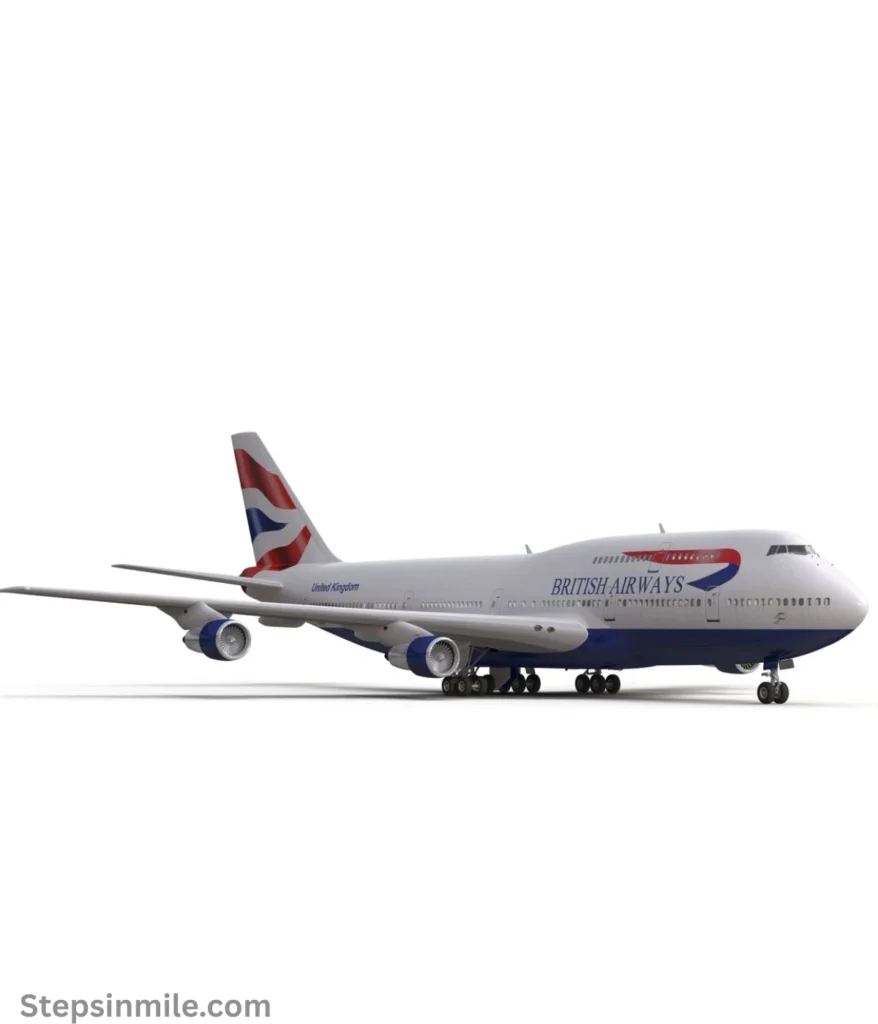
The Boeing 737-500 is a narrow-body commercial jet introduced in 1987 with a fuselage length of approximately 101.8 feet, making it one of the closest production aircraft to the exact 100-foot measurement. This variant of the Boeing 737 Classic series was designed specifically for short-to-medium-haul routes with lower passenger capacity than its larger siblings.
Seeing a Boeing 737-500 parked at a regional gate gives one of the most accurate and verifiable real-world illustrations of a 100-foot-long object.
Conclusion
From the towering Eastern Cottonwood in a riverside forest to the Boeing 737-500 sitting on a regional runway, things that are 100 feet long appear across nature, sports, architecture, and transportation in ways most people never notice.
Understanding this measurement through familiar real-world comparisons makes it instantly practical for construction estimates, property planning, safety awareness, and everyday spatial thinking. The next time someone mentions 100 feet, you now have twelve clear, vivid, and factually grounded pictures to pull from immediately.
FAQ’s About Things That Are 25 Feet Long
How many car lengths is 100 feet long?
100 feet equals approximately 6 to 7 standard car lengths, since most American sedans measure between 14 and 16 feet from front bumper to rear bumper. Compact cars at 12 to 13 feet push the count closer to 8 vehicles end to end.
What does 100 feet look like visually?
100 feet looks like a 10-story building standing upright, seven sedans parked bumper to bumper, or a blue whale stretched to full adult length. It also matches one full regulation bowling lane including the approach area behind the foul line.
How long does it take to walk 100 feet?
At a normal walking pace of approximately 3 miles per hour, covering 100 feet takes between 23 and 34 seconds on flat ground. Factors like terrain, stride length, and age can shift that time slightly in either direction.
Is 100 feet long a lot?
100 feet is a substantial and very noticeable distance in open space, equaling 30.48 meters or one-third of a full American football field from goal line to goal line. It is large enough to feel significant but small enough to cover on foot within seconds.
How many meters is 100 feet long?
100 feet equals exactly 30.48 meters, or approximately 33.33 yards in the imperial measurement system. This conversion is based on the international standard of one foot equaling 0.3048 meters precisely.
How many stories high is 100 feet?
100 feet equals approximately 9 to 10 stories in a standard commercial or residential building, assuming each floor measures about 10 feet in total height including structural thickness. Buildings with higher ceilings may reach 100 feet in fewer floors.
What animals are 100 feet long?
The blue whale is the primary animal that reaches 100 feet in length, holding the record as the largest creature ever documented on Earth by scientific measurement. No other living animal species currently matches or exceeds this body length under verified conditions.
What buildings are exactly 100 feet tall?
Standard 10-story commercial office buildings and mid-rise apartment complexes commonly reach 100 feet in height across American urban centers. Many U.S. zoning districts also set 100 feet as the maximum allowable building height for mid-density residential zones.

Fitness guru and lead author, crafting every post with passion. Certified trainer dedicated to your online fitness journey—empowering steps toward a healthier you!